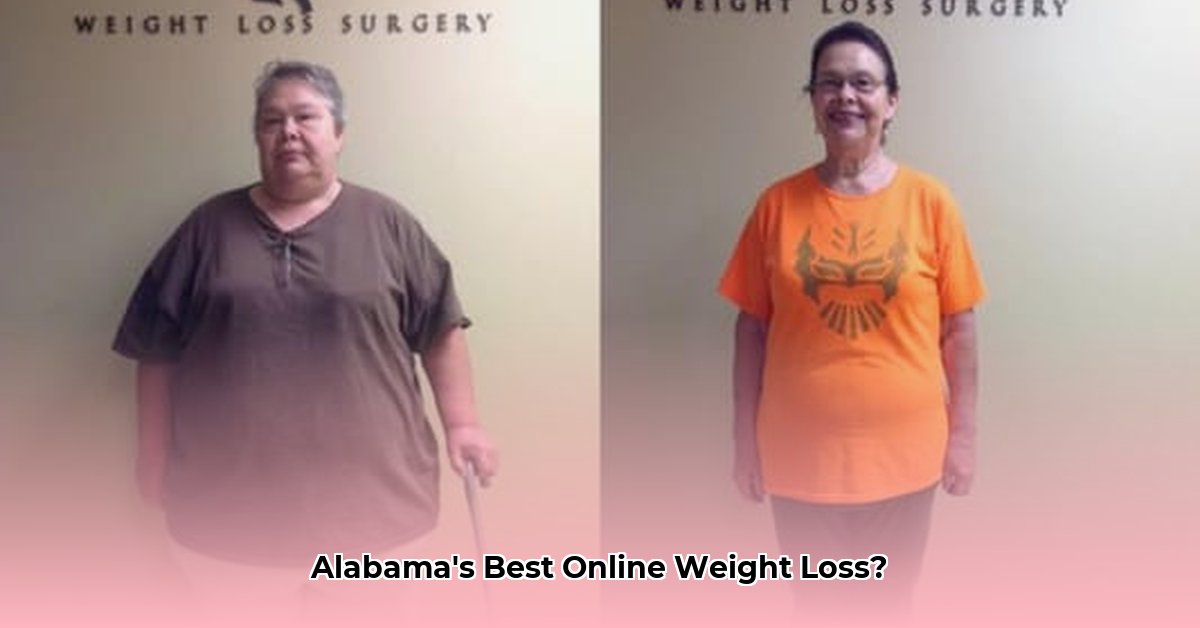
Choosing a weight loss program can be challenging, particularly with the proliferation of online options. This comparative review examines two popular Alabama telehealth weight loss programs—Alabama-One and Omnia Telehealth—to help you make an informed decision. We'll analyze their approaches, reported effectiveness, potential risks, costs, and regulatory compliance, focusing on the critical distinction between rapid and sustainable weight loss strategies. Remember, this information is for educational purposes only and does not constitute medical advice. Always consult your physician before beginning any weight loss program.
Alabama-One: Rapid Weight Loss—A Closer Look
Alabama-One’s program promises significant, rapid weight loss (claimed 8-9 pounds per week) through a combination of prescribed medication, structured meal plans, and supplementary products. While the speed of weight loss can be motivating, potential drawbacks warrant careful consideration.
Pros:
- Rapid Initial Weight Loss: The potential for quick weight loss can provide an initial boost to motivation and adherence.
Cons:
- Limited Long-Term Data: The absence of robust long-term data raises concerns regarding sustained weight loss and the potential for significant rebound weight gain. Research into long-term outcomes is critically needed.
- Medication Side Effects: The use of medication inherently increases the risk of adverse effects, some potentially serious. A thorough discussion of potential side effects with a physician is crucial before initiating any medication.
- High Risk of Rebound Weight Gain: Rapid weight loss strategies frequently lead to a cyclical pattern of weight loss and regain, potentially hindering long-term success and impacting overall health.
- Regulatory Compliance Concerns: Questions remain regarding the full regulatory compliance of medications and supplements used in the program. Independent verification of compliance is advisable.
Omnia Telehealth: A Sustainable Approach to Weight Management
Omnia Telehealth adopts a contrasting approach, prioritizing sustainable lifestyle changes over rapid weight loss. Their program emphasizes balanced nutrition, regular exercise, and mental wellness support. Medication may be considered only when medically necessary and under the direct supervision of a healthcare professional.
Pros:
- Sustainable Lifestyle Changes: Focusing on lasting habit modifications enhances the likelihood of sustained weight management and long-term health improvements.
- Reduced Risk of Side Effects: Minimizing medication use significantly lowers the risk of experiencing adverse effects.
- Holistic Well-being Focus: The program addresses the mental and emotional aspects of weight management, contributing to a more comprehensive approach to health and well-being.
Cons:
- Slower Weight Loss: Weight loss will likely occur at a slower pace compared to Alabama-One, requiring increased patience and sustained commitment.
- Higher Personal Commitment: Success depends heavily on individual dedication and consistent effort in adopting and maintaining lifestyle modifications.
- Limited Publicly Available Data: Specific data on average weight loss and long-term outcomes may not be as readily available as with Alabama-One, necessitating further research and transparency.
Alabama-One vs. Omnia Telehealth: A Comparative Analysis
The following table summarizes the key differences between Alabama-One and Omnia Telehealth:
| Feature | Alabama-One | Omnia Telehealth |
|---|---|---|
| Approach | Rapid weight loss; medication-heavy | Holistic; lifestyle-focused; gradual |
| Weight Loss Rate | 8-9 lbs/week (claimed) | Varies; gradual weight loss |
| Long-Term Data | Limited; further research is needed | Limited; further research is recommended |
| Side Effect Risk | Potentially high | Potentially low |
| Rebound Weight Gain Risk | High | Low |
| Cost | Not publicly available | Not publicly available |
| Regulatory Compliance | Requires further investigation | Likely higher level of compliance |
Choosing the Right Program for You: A Guide to Informed Decision-Making
The optimal choice between these programs depends on individual health status, weight loss goals, and risk tolerance. Do you prioritize rapid results, even with increased risk, or do you prefer a slower, more sustainable approach that emphasizes long-term well-being?
Remember: Always consult your physician before starting any weight loss program. Your doctor can provide personalized guidance based on your medical history, current health conditions, and other relevant factors. This review is for informational purposes only and is not a substitute for professional medical advice.
Key Considerations:
- Consult your physician: Discuss your weight loss goals and health status with your doctor before choosing a program.
- Assess your risk tolerance: Rapid weight loss methods involve greater risks, while gradual methods demand more commitment.
- Research program credentials: Verify the qualifications of healthcare providers and thoroughly examine client reviews and testimonials to assess reputation and efficacy.
- Consider long-term sustainability: Prioritize programs focused on lasting lifestyle changes for sustainable weight management.
- Evaluate cost and insurance coverage: Determine the program’s cost, and assess whether it’s covered by your health insurance plan.
This comparison provides valuable insights into two distinct approaches to telehealth weight loss. By carefully considering these factors and consulting with your doctor, you can make a well-informed decision that aligns with your individual needs and health goals.